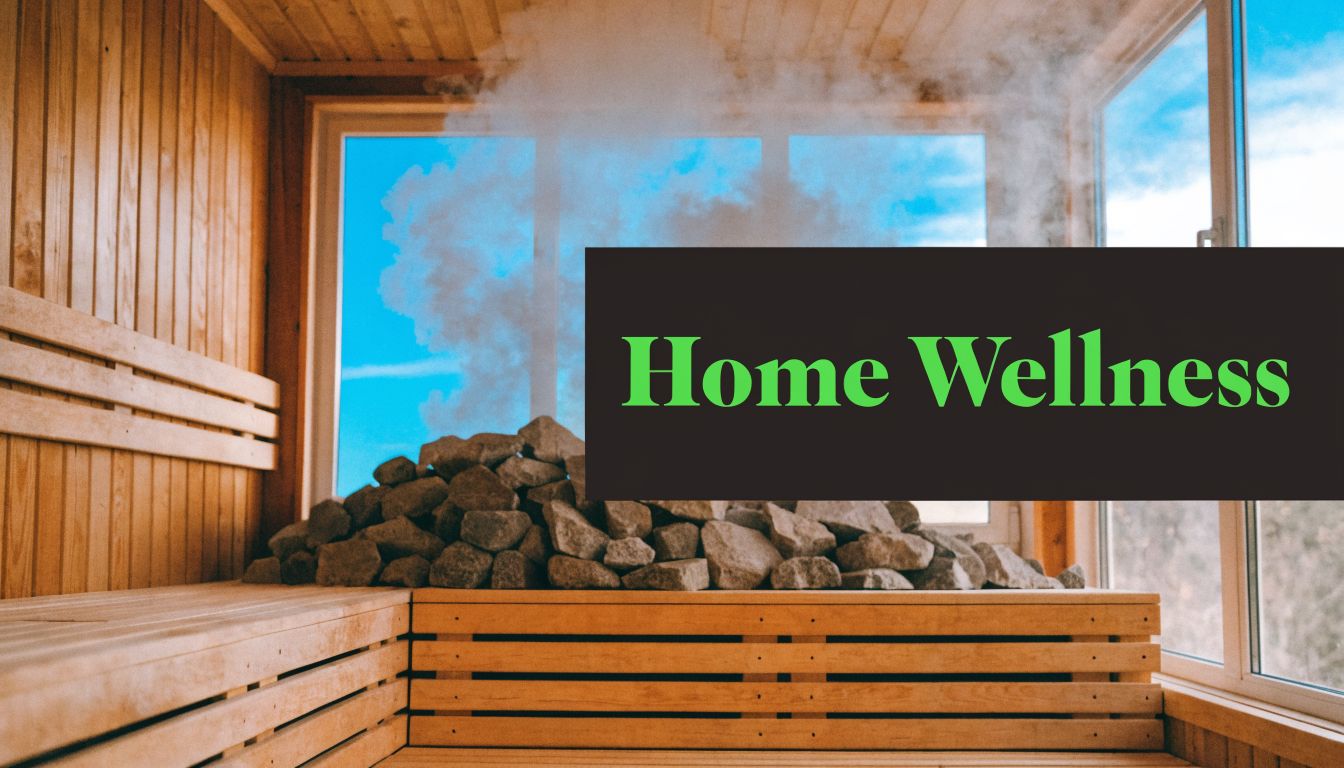
Your Traditional 2 Person Sauna A Guide to Home Wellness
Home wellness often begins with a simple desire. You want one place in your day that isn’t reactive, rushed, or noisy. A place where your body can soften, your breathing can deepen, and your mind can return to itself.
That’s why interest in the traditional 2 person sauna keeps growing. It offers more than heat. It creates a repeatable ritual. You step inside, sit down, breathe, pour water over hot stones, and let the room change your pace. For many people, that rhythm becomes one of the few moments in the day that feels fully intentional.
Steam bathing has endured because the experience is both ancient and practical. Heat encourages deep sweating. That sweating is one of the body’s natural cleansing processes. Warmth also prompts blood vessels to open, which supports circulation and often leaves skin looking brighter and more alive. Moist heat can feel especially comforting to the airways, and the stillness of a sauna session often helps mental clutter settle.
Those effects don’t need to be overstated to be meaningful. A good sauna session can leave you feeling clearer, looser, and more grounded. It can support post-workout recovery, evening relaxation, and the kind of daily reset that many people spend years trying to recreate through scattered wellness habits.
A well-made sauna also makes this ritual far more accessible than it once was. You don’t need a spa membership or a hotel stay to experience authentic steam heat at home. You need the right design, the right heater, the right materials, and a clear understanding of what makes a traditional sauna feel so different from every modern shortcut.
Embrace the Ritual of At-Home Wellness
The modern wellness problem isn’t always lack of information. It’s lack of ritual. It's commonly understood that one should slow down, move more, breathe better, and recover well. The harder part is creating a practice that feels inviting enough to return to every day.
That’s where a traditional sauna becomes powerful. It turns wellness from an abstract goal into a lived experience. The body responds first. Heat encourages profound sweating, which many people value as a cleansing release. As your temperature rises, circulation increases, and that fresh, post-sauna glow often follows. Warm moist air can also feel soothing when your breathing feels tight or your sinuses feel heavy.

Why steam heat feels restorative
A traditional sauna warms the air around you, then lets you shape the humidity by adding water to heated stones. That combination changes the whole sensory experience. Dry warmth opens the body. Steam deepens the sensation and often makes the heat feel fuller, softer, and more immersive.
For many users, the benefits show up in familiar ways:
- Deep perspiration: Heat stimulates sweat, which is one of the body’s natural cooling and cleansing responses.
- Circulatory support: As the body adapts to warmth, blood flow increases and muscles often feel less tense.
- Skin clarity: Sweating and heat can leave skin feeling cleaner, softer, and more vibrant.
- Respiratory ease: Humid heat may feel gentler than dry heat when the airways feel irritated.
- Mental clarity: A sauna session removes noise, screens, and demands. That alone can quiet the nervous system.
You can find a broader look at these wellness effects in Vitality Sauna Store’s article on the advantages of using a sauna.
Practical rule: The best wellness ritual is the one you’ll actually repeat. A sauna works because it gives the body and mind a clear beginning, middle, and end.
A daily practice, not a rare indulgence
People often think of a sauna as a luxury feature. In practice, it can become one of the most useful rooms in the home. You might use it after strength training, at the end of a demanding workday, or on slow weekend mornings when you want to reset your energy before the day begins.
A traditional 2 person sauna also adds something solitary wellness tools often miss. It can hold quiet companionship. One person can sit in silence while the other ladles water over the stones. That shared stillness has its own kind of value.
The point isn’t to chase intensity. It’s to create consistency. When a ritual helps you feel cleaner, calmer, and more physically at ease, it starts to shape the rest of your life.
The Art of the Traditional Sauna An Enduring Ritual
A traditional sauna isn’t defined by wood walls alone. Its soul lives in löyly, the steam created when water meets hot stones. That single action transforms the room. The heat becomes richer. The air changes character. The experience turns from passive warming into an active ritual.
In a typical home session, you sit while the heater builds the room’s baseline temperature. Then someone lifts the ladle, pours a small amount of water over the stones, and a wave of steam rises. It wraps around the skin, deepens the sensation of heat, and changes how you breathe. That moment is why many people who love traditional saunas never mistake them for any other form of heat therapy.

What makes it traditional
The defining features are simple, but they matter:
- Heated stones: These hold and radiate heat, creating the base environment.
- Water on stones: This creates steam and lets the user shape the humidity.
- Wood interior: Wood softens the visual atmosphere and makes the room feel natural and grounded.
- Intentional pacing: You don’t rush a traditional sauna. You settle into it.
That final point is often overlooked. A traditional sauna invites participation. You notice the temperature. You choose when to add steam. You feel the room respond.
You can explore more about authentic steam bathing in Vitality Sauna Store’s guide to traditional steam saunas.
A practice with deep roots
This ritual has remarkable longevity. The traditional Finnish sauna, often designed for 2 or more people, traces its origins to over 2,000 years ago. The earliest smoke saunas were simple pits heated by fires, where water was poured over stones to create steam and temperatures of 75–100 °C (167–212 °F). Finland still reflects the depth of this tradition, with approximately 3 million saunas for a population of 5.5 million, making sauna culture a defining part of national identity, as described in Portal Thermaculture’s history of the Finnish sauna tradition.
The reason this ritual has lasted so long is simple. It meets human needs that haven’t changed. Warmth, cleansing, stillness, and connection.
Why it still matters now
Wellness trends come and go because many are built on novelty. The traditional 2 person sauna lasts because it isn’t trying to impress you with novelty. It asks for something older and more durable. Presence.
That’s why even a compact two-person model can feel expansive. You aren’t just installing a product. You’re bringing home a ritual that has served generations as a place for healing, quiet conversation, and physical renewal. The form has evolved, but the essence hasn’t.
Designing Your Sanctuary The MandeSpa Difference
A home sauna should feel composed before it even turns on. The right one looks calm, holds heat properly, and supports the ritual without asking you to manage constant compromises. That’s where thoughtful construction starts to matter.

MandeSpa models stand out because they’re built around what makes a traditional sauna work in real life. Not just on a product page, but in the daily cycle of heating, steaming, drying, and returning to temperature again and again. The result is a sauna that feels substantial, elegant, and dependable.
Why materials matter so much
The wood in a sauna isn’t decorative trim. It shapes heat retention, comfort, and long-term performance. MandeSpa uses aged Canadian Hemlock, a material valued for stability and a clean, refined appearance. In practice, that means the room feels polished and calm, rather than rustic in a rough or unfinished way.
Construction matters just as much as species. According to Sauna Place’s framework for choosing a 2 person sauna, double-paneled wall construction in Mande Spa saunas, using aged Canadian Hemlock, enhances heat retention by 25-40% over single-wall designs. The same source notes that this insulation, paired with tongue-and-groove assembly, can cut heat-up time from over 60 minutes in weaker builds to 30-45 minutes, while sustaining 185°F and higher.
That translates into a better ownership experience:
- More stable heat: The room reaches temperature with less struggle.
- Less waste: Better insulation means less energy escaping through the walls.
- More satisfying steam: A well-sealed room responds better when water hits the stones.
- Greater durability: Strong joinery holds up better over repeated heating cycles.
Beauty and performance should live together
Many people assume they have to choose between a sauna that performs well and one that complements a modern home. They don’t. A well-designed traditional 2 person sauna should feel architectural. It should look intentional in a wellness room, primary bath extension, covered patio, or backyard retreat.
If you’re comparing sauna footprints and how they’ll sit within your home, Vitality Sauna Store offers a useful guide on sauna sizing.
A premium sauna doesn’t dominate a space. It anchors it. The warm tone of hemlock, the clean bench lines, and the balanced proportions all contribute to that effect.
Here’s a closer look at the design language in motion:
Built for U.S. buyers who want quality, not guesswork
One reason buyers hesitate with saunas is uncertainty about where they come from and how they’re built. That concern is justified. Quality varies widely. MandeSpa’s appeal is that it answers those concerns with better materials, better engineering, and U.S.-based shipping rather than the uncertainty that often comes with lower-quality imports.
A sauna becomes part of the home’s rhythm. It should arrive with the same confidence you’d expect from any serious wellness investment.
That matters for practical reasons too. Shipping within the USA simplifies the buying experience, and it signals a level of accountability many buyers want before committing to a large installation piece. It also supports the broader promise of the product. This is not meant to be a disposable wellness novelty. It’s meant to be a sanctuary you use for years.
The feeling of a complete room
The best sauna purchases don’t create buyer’s remorse because they solve both the emotional and practical sides of the decision. You want beauty, yes. But you also want insulation that holds. A heater setup that performs. A room that warms with grace rather than strain.
MandeSpa delivers that rare combination. The sauna feels luxurious when you step into it, and sensible when you look at how it’s made. That’s the mark of a strong home wellness design. It doesn’t ask you to choose between ritual and reliability.
Power Performance and Proper Installation
A traditional sauna only feels effortless when the technical foundation is right. Most disappointment with home saunas starts here. The room looks beautiful, but the heater is undersized, the electrical supply is wrong, or ventilation was treated like an afterthought.
A traditional 2 person sauna needs enough power to create true high heat and authentic steam. According to Sauna Place’s guidance on 2 person sauna requirements, a traditional unit typically needs a 4.5kW to 6kW heater and a dedicated 240V, 20-30A circuit. The same source notes that 120V plug-in models often struggle to exceed 150°F, while the stronger setup is what allows temperatures up to 195°F and real steam performance.
Start with the heater, not the cosmetics
People often shop by exterior appearance first. In reality, the heater is the engine of the entire experience. If it’s underpowered, the room may warm eventually, but the session won’t feel like a true traditional sauna. Steam will be weak. Heat recovery after opening the door will be slower. The room may never reach the immersive intensity buyers expected.
A good rule is to think in terms of outcome:
| Installation factor | Why it matters in a traditional sauna |
|---|---|
| Heater size | Determines whether the room can produce authentic high heat and respond well to water on stones |
| Dedicated circuit | Prevents overloads and supports consistent heater performance |
| Professional wiring | Protects safety and helps the unit operate as designed |
| Ventilation | Supports air quality, comfort, and moisture management |
What to ask your electrician
You don’t need to become an electrician. You do need to know the right questions.
Bring these points to the conversation:
- Confirm circuit capacity: Ask whether your home can support a dedicated 240V, 20-30A circuit for the sauna.
- Match heater to model: Verify the heater’s required load before installation day.
- Use a licensed professional: Sauna wiring isn’t a casual DIY task.
- Review disconnect access: Ask how the installer plans safe shutoff access if required by local code.
If you’re adding an outdoor sauna or detached structure, local requirements may also come into play. For homeowners navigating site approvals, Domicile Construction offers a practical overview of getting a building permit.
Ventilation isn’t optional
Ventilation can sound secondary until you sit in a poorly vented sauna. Then you feel it immediately. The heat turns stale. Moisture lingers. The room doesn’t recover well after use.
The same Sauna Place guidance notes that proper ventilation includes a 4-6 inch gap under the door for airflow and moisture management. That detail may seem small, but it has a large effect on comfort and safety.
Installation check: If a seller talks about wood species and bench style but says almost nothing about power and airflow, pause before buying.
For buyers researching heater choices in more detail, Vitality Sauna Store’s article on the electric sauna heater is a useful next step.
A confident installation feels calm from the start
The goal isn’t just code compliance. It’s trust. When the heater is sized correctly, the circuit is dedicated, and the room can breathe, the sauna behaves the way it should. It heats cleanly. It holds temperature. It dries properly after use.
That kind of performance changes the whole ownership experience. You stop troubleshooting and start using the sauna as intended. Effortlessly. Regularly. With confidence.
Your Essential Buyer's Guide To Choosing a Sauna
Buying a sauna gets easier once you stop asking which one looks best and start asking which one fits your ritual, your space, and your body. For many households, the primary decision comes down to this. Do you want the immersive steam experience of a traditional sauna, or the gentler, drier warmth of infrared?

Traditional and infrared side by side
| Feature | Traditional Sauna (e.g., MandeSpa) | Infrared Sauna |
|---|---|---|
| Heating method | Heated stones warm the air and create steam when water is added | Infrared heaters warm the body more directly |
| Temperature range | 160-200°F (70-95°C) | 110-140°F (45-60°C) |
| Experience | Humid, immersive, and shaped by löyly | Drier, gentler, and more gradual |
| Warm-up time | 30-60 minutes | 10-20 minutes |
The practical difference is straightforward. A traditional sauna creates an environment. An infrared sauna creates a sensation. Neither is automatically right for everyone, but they do serve different preferences.
Choose based on the life you want to live
A strong buying decision usually comes from matching the sauna to your habits.
Consider these questions:
- Do you want steam and ritual? If yes, a traditional 2 person sauna is the better fit.
- Do you prefer lower temperatures? Infrared may feel more approachable.
- Will two people use it regularly? Traditional two-person layouts often feel especially satisfying for couples or shared routines.
- Do you care about the cultural experience as much as the heat? Traditional sauna wins clearly here.
- Are you planning an outdoor sanctuary? This often makes a traditional model even more compelling.
Health personalization matters
Saunas are beneficial, but they aren’t one-size-fits-all. According to My Sauna World’s guide on 2 person traditional sauna use, the heat range of a traditional sauna is typically 160-195°F. The same guidance notes that a beginner might start with a 10-minute session at 150°F, while a conditioned athlete may tolerate 30 minutes at 185°F. It also emphasizes that people with certain heart conditions should discuss sauna use with a doctor first.
That becomes even more important in a shared sauna. Two people can love the same ritual and still need different settings.
Here’s how that can look in practice:
- One partner is new to heat: Start lower and shorten the session.
- One user is training regularly: They may enjoy a longer, hotter session.
- One person has medical concerns: Get medical guidance before making sauna use routine.
- One person runs hotter than the other: Adjust session timing rather than forcing identical tolerance.
The smartest sauna buyer doesn’t just ask, “Will this fit my home?” They ask, “Will this fit the people who’ll use it?”
The checklist that prevents regret
A thoughtful purchase usually comes down to a few grounded decisions:
- Measure the installation area carefully. Include door clearance, surrounding breathing room, and the path into the final location.
- Understand the power requirements. Traditional models need more planning, but they deliver the authentic steam environment many buyers want.
- Be honest about your wellness goal. For post-workout recovery, respiratory comfort, and the full sauna ritual, traditional heat has a distinct appeal.
- Think about daily use. The best sauna isn’t the most complicated one. It’s the one you’ll turn to often.
- Consider outdoor placement seriously. A backyard or covered patio sauna can turn a simple wellness tool into a restorative destination.
If that last point resonates, it’s worth exploring the Mande Spa Outdoor collection before you decide. For many buyers, an outdoor traditional sauna creates the strongest sense of retreat while preserving the beauty of the main home.
A confident recommendation
If you want the most complete sauna experience, a traditional model is hard to surpass. The steam, the hotter environment, the sensory depth, and the ritual of water on stones all create something infrared doesn’t fully replicate.
And if you’re looking for a premium option, MandeSpa deserves close attention. The construction, aesthetics, and authentic performance make it a compelling choice for buyers who want more than a heat box. They want a home sanctuary they’ll be proud to use and proud to own.
Living the Sauna Lifestyle Use Safety and Maintenance
Owning a sauna becomes most rewarding when the ritual feels natural. Not ceremonial in a complicated way. Just steady, simple, and well cared for. The best sessions often follow the same quiet arc every time.
A simple session rhythm
Start with hydration. Drink water before you enter so the body isn’t beginning the session already depleted. Step in once the room is ready, sit comfortably, and allow a few minutes for your breathing to slow.
Then let the session unfold:
- Settle first: Don’t rush to create steam the moment you enter.
- Add water gradually: A small ladle over the stones changes the room quickly.
- Watch your response: Heat should feel strong but manageable.
- Cool down gently: Step out before you feel drained or overheated.
- Rehydrate after: Replace fluids and give the body time to normalize.
If you share the sauna, agree in advance on pace. Some people love frequent steam bursts. Others prefer a drier stretch before adding more humidity.
Safety is part of the ritual
The safest sauna users are rarely the most aggressive. They’re the most attentive.
Keep these principles in mind:
- Listen to your body: Leave the sauna if you feel lightheaded, uncomfortable, or unwell.
- Avoid alcohol: Heat and alcohol are a poor combination.
- Respect medical limits: If you have health concerns, use medical guidance rather than guesswork.
- Use clean towels: This helps with comfort and protects the benches.
- Don’t force sameness: Two users don’t need identical temperatures or session lengths.
A traditional 2 person sauna should feel supportive, not punishing. The goal is restoration.
Leave a little margin. Ending a session while you still feel good is wiser than pushing until you feel depleted.
Maintenance keeps the experience beautiful
A well-kept sauna is simpler to own than many buyers expect. Most maintenance comes down to drying, wiping, and checking a few essentials after use.
A strong routine includes:
- Air it out after sessions: Let the room dry fully.
- Wipe benches and surfaces: This keeps sweat residue from building up.
- Check stones and heater area: Make sure the setup stays clean and unobstructed.
- Keep floors dry: Moisture should never linger unnecessarily.
- Clean gently: Use sauna-appropriate methods rather than harsh chemicals.
Humidity management in the surrounding home matters too, especially if your sauna is installed indoors or near other wellness features. If you’re thinking about the broader indoor environment, this guide to the best humidity level for home offers useful context.
Longevity comes from small habits
People sometimes assume premium products stay premium on their own. In reality, they stay beautiful because owners pay attention. Open the door after use. Let the room dry. Keep textiles off the heater. Treat the space like the sanctuary it is.
That’s when ownership becomes especially satisfying. The sauna doesn’t feel like another appliance to manage. It feels like a room that gives back.
Your Invitation to a Life of Daily Renewal
A traditional sauna changes the atmosphere of a home long before anyone steps inside it. It stands for a different pace. A different standard. A daily reminder that restoration doesn’t have to wait for a vacation, a spa reservation, or a free weekend.
That’s why the traditional 2 person sauna resonates strongly with people who care about intentional living. It offers privacy without isolation. Comfort without passivity. Ritual without performance. You enter with the day still clinging to you, and you leave feeling clearer, warmer, and more present.
A well-chosen sauna also creates continuity. It becomes the place you return after hard workouts, heavy conversations, winter mornings, or long workdays. Over time, that return matters. Not because every session is dramatic, but because the practice is steady.
MandeSpa fits beautifully into that vision. The materials are refined. The engineering supports authentic steam heat. The aesthetic belongs in a thoughtfully designed home. And because these saunas ship within the USA and aren’t lower-quality imports, buyers can move forward with more confidence and less uncertainty.
For many households, the most compelling option is outdoors. A Mande Spa Outdoor model can transform a patio, garden edge, or backyard into a place of retreat. The shift from house to open air, then into heat, creates a sense of separation that many people find restorative.
A sauna's value isn’t just measured in features. It’s measured in how often it helps you come back to yourself. A few quiet minutes. A slow breath. The sound of water meeting hot stones. A room that asks nothing from you except presence.
If you’re ready to create that kind of sanctuary at home, explore the premium sauna collection at Vitality Sauna Store. You’ll find Mande Spa outdoor and indoor options, expert guidance, free U.S. shipping, and high-quality models designed for lasting performance rather than lower-quality imports. If a traditional sauna has been calling to you, this is a beautiful time to choose one and begin.