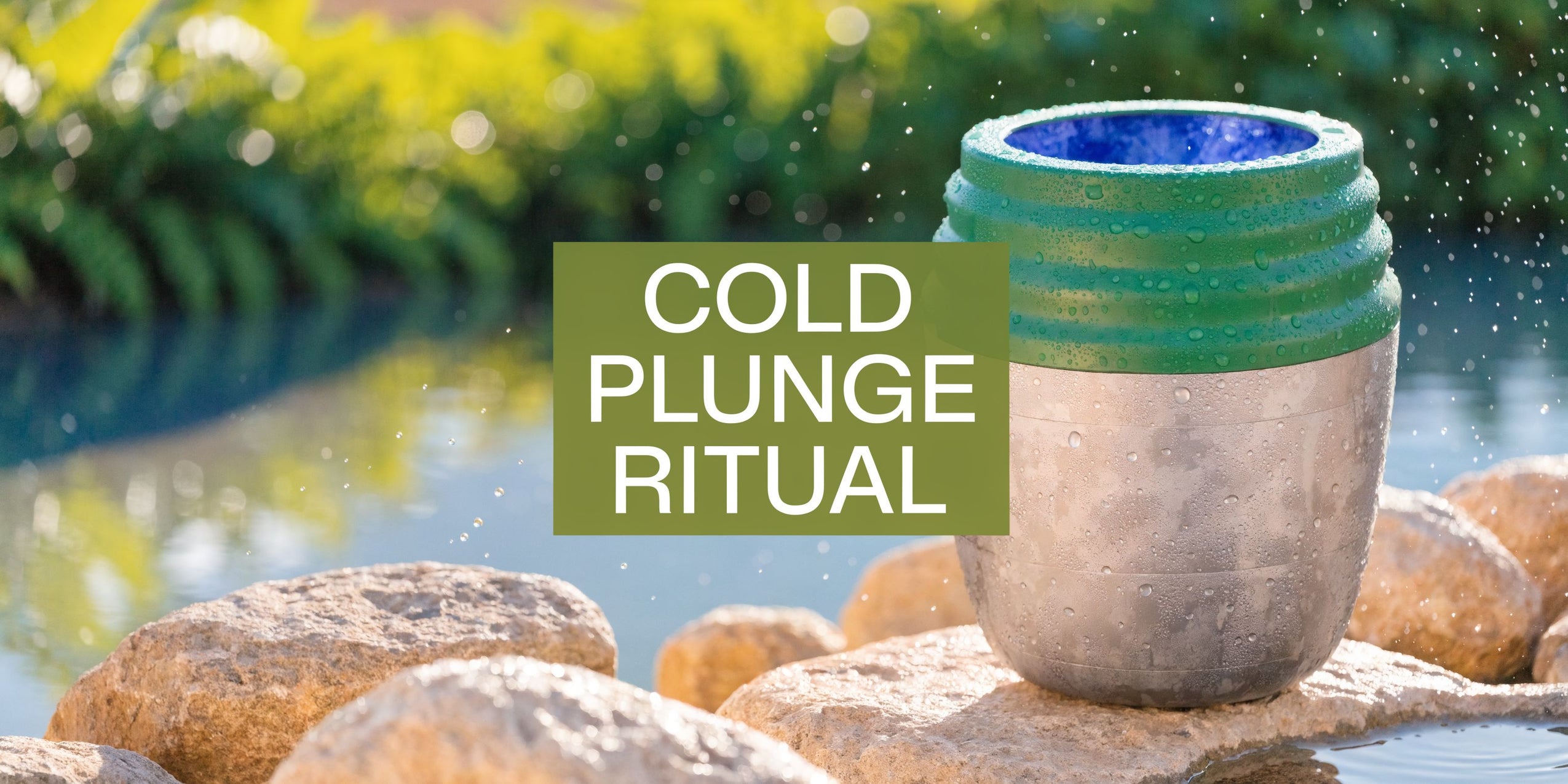
Ice Barrel Cold Plunge: A Guide to Your Wellness Ritual
You’re probably seeing the same shift many households are seeing. Wellness is no longer something reserved for a spa day or a luxury hotel. People want a daily ritual at home. Something they can return to in the morning for clarity or in the evening for recovery.
That’s part of why steam saunas and cold plunges have moved from niche tools into everyday wellness conversations. Heat helps the body open up, sweat, and settle. Cold asks the body to focus, adapt, and reset. Used well, they can become anchors in a busy life.
Steam bathing remains one of the oldest and most intuitive practices in home wellness. The warmth encourages sweating, which many people associate with cleansing and skin purification. Heat also tends to support circulation by encouraging blood vessels to open, while the humid environment can feel soothing for breathing and muscular tension. Just as important, a steam session creates quiet. It asks you to stop multitasking and return to your body.
That wider movement toward home recovery is visible in the market as well. The global cold plunge tub market was valued at approximately USD 301.20 million in 2023 and is projected to exceed USD 453.23 million by 2033, reflecting growing demand for home recovery tools, according to Spherical Insights.
For many homeowners, the most compelling setup isn’t one tool. It’s a sanctuary. A sauna provides warmth, stillness, and therapeutic routine. A cold plunge provides contrast, energy, and recovery. Together, they create a more complete practice.
The Dawn of the Home Wellness Sanctuary
A home wellness sanctuary starts with rhythm. You step away from screens, deadlines, and noise, and give your body a clear signal. Now we recover. Now we breathe. Now we reset.
For many people, steam sauna bathing is the foundation of that rhythm. The logic is simple. Heat raises body temperature, encourages perspiration, and helps muscles soften. Warm air and steam can also feel supportive when breathing feels tight or the body feels congested from stress, travel, or hard training.
Why heat still matters
Steam heat works because it creates a controlled environment where your body can shift gears.
- Circulation support helps many people feel looser and more mobile after a session.
- Skin purification is often linked to sweating and the cleansing effect many users notice afterward.
- Respiratory ease can come from warm, moist air that feels gentler than dry indoor environments.
- Mental clarity often follows because heat encourages stillness and slows the pace of the moment.
None of that requires complicated biohacking. It’s a human response to warmth, rest, and repetition.
A strong wellness ritual doesn’t need to be elaborate. It needs to be repeatable.
Why the sanctuary idea keeps growing
The appeal of at-home wellness isn’t just convenience. It’s consistency. A ritual only changes your life if it fits into your actual week.
That’s where the modern pairing of sauna and cold therapy becomes so attractive. The sauna offers release. The plunge offers alertness. One softens the body. The other sharpens attention.
Mande Spa fits naturally into that idea because the sauna becomes the architectural center of the space. A high-quality sauna should look refined, feel safe, and hold heat reliably. It should also be built for real ownership, not as a disposable import. For buyers in the United States, that matters. Mande Spa outdoor saunas ship within the USA and aren’t positioned as lower-quality imports, which is an important distinction when you’re building a lasting home ritual.
A beautiful sauna doesn’t compete with the rest of your home. It completes it. And once heat becomes part of your routine, the next question often follows naturally. What pairs best with it? For many people, the answer is an ice barrel cold plunge.
What Exactly Is an Ice Barrel Cold Plunge
An ice barrel cold plunge is a compact, upright cold therapy tub designed for full-body immersion in a seated position. Instead of stretching out in a long horizontal bath, you lower yourself vertically into the water, usually up to the neck.
That shape changes the experience more than beginners expect.

Why the upright shape matters
A traditional tub asks you to recline. An ice barrel asks you to sit tall. That posture tends to feel more intentional, and for many users it makes breathing practice easier because your chest stays lifted and your head remains naturally above the waterline.
The Ice Barrel 500’s upright geometry includes a height of 42.1 inches and accommodates users up to 6'9", supporting fuller submersion and stronger parasympathetic activation than horizontal immersion, according to GearJunkie’s Ice Barrel 500 review.
In plain language, that means the design helps many people settle into the cold with more control. You’re not sprawling. You’re composed.
How it differs from a larger cold plunge tub
Think of an ice barrel as the simpler cousin of a large, fully engineered plunge system.
A larger cold plunge setup may offer more automation and constant chilling. An ice barrel often appeals to people who want a cleaner, lower-complexity entry point.
Here’s the practical difference:
| Feature | Ice barrel style | Larger horizontal plunge |
|---|---|---|
| Body position | Upright and seated | Reclined or stretched out |
| Footprint | Compact | Larger |
| Setup feel | Straightforward | Often more system-heavy |
| Breathwork experience | Easier for many beginners | Can feel less intuitive |
If you want a broader overview of how cold therapy fits into home wellness, this guide to cold plunge therapy is a useful next read.
Who it tends to suit
An ice barrel cold plunge often works well for people who want:
- A simpler daily practice without building a commercial-grade recovery room
- A more mindful plunge position that supports calm breathing
- A compact backyard or patio setup that doesn’t dominate the space
For beginners, the biggest misconception is that colder and more intense is always better. It isn’t. The barrel is a tool for consistency, not bravado.
The Benefits of Cold Water Immersion
Cold water immersion gets attention because it feels dramatic. Its lasting value is subtler. It creates a brief, controlled stress that your body has to respond to with focus.
That response is where the practice becomes useful.

What your body does in the cold
When you first enter cold water, your breath usually changes. It becomes quick and shallow unless you deliberately slow it down. At the same time, blood vessels constrict. That’s one reason many people use cold exposure after demanding exercise or when they feel generally inflamed and heavy.
After you get out and warm up, circulation shifts again. This rewarming phase is part of why many people report feeling energized, clearer, and physically refreshed.
Three commonly noticed benefits
The effects are often easier to understand in lived terms than in scientific jargon.
- Recovery support Athletes and active people often use cold immersion because it can help ease the feeling of soreness after hard effort.
- Mental reset Cold requires attention. You can’t scroll, multitask, or drift. That forced presence is one reason people describe a plunge as mentally clarifying.
- Stress resilience This is a good example of hormesis, which means exposing the body to a manageable challenge so it learns to adapt better over time.
Practical rule: The best cold plunge is the one you can approach calmly, recover from well, and repeat safely.
Why the practice feels so powerful
An ice barrel cold plunge compresses several things into a short window. Breath control. physical sensation. mental discipline. recovery.
That combination is rare in modern life. Most routines either sedate us or stimulate us. Cold does something more interesting. It demands composure.
A simple way to think about it is this:
- You enter with resistance.
- You stay with your breath.
- You leave with a stronger sense of agency.
That’s why the benefit isn’t just temperature. It’s training your response.
A note on expectations
Cold water immersion can be a strong complement to a wellness routine, but it isn’t magic. Some days it will feel invigorating. Some days it will feel hard. Both experiences can still be useful.
People often get confused here and assume every plunge should feel euphoric. Not necessarily. The deeper win is learning to regulate yourself under stress, then carrying that steadiness into the rest of the day.
The Ultimate Ritual Sauna and Cold Plunge Contrast Therapy
The most compelling use of an ice barrel cold plunge isn’t in isolation. It’s in contrast therapy, where you alternate heat and cold as part of a deliberate recovery ritual.
The reason this works so well is intuitive. Heat opens you up. Cold draws you inward. Moving between the two creates a striking physical and mental contrast that many people find more restorative than either one alone.

Why the pairing feels different
A sauna session tends to soften the body. Muscles loosen. Breathing deepens. The mind often becomes quieter.
Then the plunge changes the whole tone. The cold narrows your focus instantly. That swing from expansive warmth to concentrated cold is what gives contrast therapy its distinctive effect.
Many users describe it as a full-system reset rather than a single wellness activity.
The circulation pump idea
One helpful way to understand contrast therapy is to think in terms of vessel response. Heat encourages blood vessels to widen. Cold encourages them to constrict. Alternating between the two creates a kind of circulatory pumping effect that many people use to support recovery and alertness.
That doesn’t make it mystical. It makes it practical.
| Phase | What it often feels like | What many people use it for |
|---|---|---|
| Sauna | Release, warmth, softness | Relaxation, sweating, muscular ease |
| Cold plunge | Shock, focus, brightness | Recovery, alertness, resilience |
| Rest after both | Calm clarity | Integration and nervous system balance |
For a deeper look at the pairing itself, this article on sauna and cold plunge is worth bookmarking.
Why athletes helped normalize it
Cold plunging has become far more visible in elite sport. The Paris 2024 Olympics budgeted for 650 tons of ice for recovery baths, a tenfold increase from Tokyo 2020, according to Backcountry Recreation. That kind of visibility has helped move the practice from specialist circles into mainstream home wellness.
That doesn’t mean you need an Olympic facility. It means the ritual has been tested in high-performance environments and adapted for home use.
A short visual can help if you’re considering how the sequence works in real life:
Why a quality sauna changes the experience
Not all saunas create the same kind of ritual. Reliable heat matters. Material quality matters. Safety matters. So does craftsmanship.
That’s why many buyers look for a sauna that’s built in the USA rather than settling for lower-quality imports. Mande Spa stands out here. The brand is associated with premium outdoor sauna design, practical engineering, and shipping within the USA, which matters if you want a long-term installation that feels as refined as the rest of your home.
A cold plunge wakes you up. A sauna gives you somewhere worth returning to. Together, they create a wellness space that feels complete.
Your Guide to Ice Barrel Setup and Maintenance
Owning an ice barrel cold plunge feels much less intimidating once you break it into a few simple decisions. Where will it sit, how will you fill it, and how will you keep the water clean enough for regular use?
That’s really the whole system.
Choose the right location first
Start with the ground, not the barrel. You want a stable, level surface with easy access for filling and draining. Patios, pool decks, and firm backyard pads usually make more sense than soft ground.
Think about privacy too. If the setup feels exposed or inconvenient, you’re less likely to use it consistently.
A simple setup flow
Many find this sequence effective:
- Place the barrel securely on a surface that won’t shift.
- Fill with water before adding ice, so you can control the drop more precisely.
- Test your routine at a moderate starting temperature rather than chasing the coldest possible plunge.
- Keep essentials nearby, including a towel, sandals, timer, and warm clothing for afterward.
The material design helps here. Ice Barrel models use multi-layer polyurethane foam insulation and medical-grade recycled polyethylene, allowing them to maintain water temperature 2X longer than many competitors, according to Ice Barrel. In practical terms, that can mean fewer ice top-offs and a more efficient daily routine.
Clean water is part of the ritual. If the setup feels murky or neglected, you won’t want to step in.
Keeping the water fresh
Maintenance is usually more about consistency than complexity.
- Skim visible debris if your barrel sits outdoors.
- Rinse surfaces regularly so buildup doesn’t linger.
- Refresh water based on use and your local conditions.
- Cover the barrel when it’s not in use to reduce contamination.
If you want a practical overview of how to purify the water in a simple, low-fuss way, that camping-focused guide offers useful principles that apply surprisingly well to small plunge setups.
What beginners often overcomplicate
People often assume they need a lab-grade system from day one. Usually they don’t. They need a clean vessel, thoughtful placement, and a maintenance habit they can keep.
That’s the quiet advantage of a purpose-built barrel over a makeshift tub. It asks less of you. And when a wellness tool asks less, you’re more likely to make it part of daily life.
Essential Safety for Your Cold Plunge Practice
Cold therapy should feel controlled. If it feels reckless, the setup is wrong or the pace is too aggressive.
That matters because cold water creates a real physiological response. Respect is part of the practice.

Start conservatively
Beginners often think success means enduring maximum discomfort. A safer definition is much better. Success means getting in, controlling your breathing, staying calm, and getting out before your body starts to struggle.
Use these principles:
- Start warmer than you think you need so your nervous system can learn the experience.
- Keep the first sessions short and end while you still feel in control.
- Enter with intention instead of dropping in quickly.
- Warm up gradually afterward with dry clothing and calm movement.
Who should be cautious
Cold plunging isn’t for everyone without medical guidance. People with cardiovascular concerns, blood pressure issues, circulation problems, diabetes, cold sensitivity, neuropathy, or other significant health conditions should speak with a qualified clinician first.
Pregnancy, recent illness, and a history of fainting also call for extra care.
Never cold plunge alone. Even confident users can have an unexpectedly strong reaction.
Watch for warning signs
Get out immediately if you feel disoriented, numb in a concerning way, panicked, or unable to regain control of your breathing. If you need a clear primer on hypothermia, that medical overview is worth reading before you make cold exposure a habit.
The point isn’t fear. It’s informed respect.
Safety pairs with every wellness goal
People sometimes frame detox, recovery, and resilience as if they exist apart from safety. They don’t. A wellness ritual only works when it protects the body you’re trying to support.
If you’re building a broader routine around heat and recovery, this guide on how to detox safely adds important context.
Cold therapy can be excellent. It also asks for maturity. Start humbly, keep the ego out of it, and let consistency do the work.
Imagine Your Daily Renewal
A home ritual changes the tone of a day in ways that are easy to underestimate. A sauna session in the evening can mark the end of noise. An ice barrel cold plunge in the morning can sharpen the mind before the first demand even arrives.
Over time, true luxury isn’t novelty. It’s reliability.
What that lifestyle can feel like
Some people use heat and cold for workout recovery. Others use it to feel less scattered, less tense, and more present in their own lives.
A simple routine might look like this:
- Morning brings a brief plunge, steady breathing, and a cleaner sense of focus.
- Evening brings sauna warmth, slower thoughts, and a feeling of release.
- Weekend use becomes more spacious, almost ceremonial, especially when the space itself feels beautiful.
There’s a reason this combination speaks to so many people. It turns wellness from an abstract goal into something physical, repeatable, and personal.
If you want help shaping that rhythm, this guide to a sauna cold plunge routine offers a strong next step.
A true sanctuary doesn’t need to be enormous. It needs to invite return. When heat, cold, design, and intention live in the same space, daily renewal starts to feel less like a treat and more like a way of living.
Frequently Asked Questions About Ice Barrels
Is an ice barrel cold plunge good for beginners
Yes, often more than a traditional tub. The upright seated position can feel more secure and easier to manage, especially when you’re learning how to breathe calmly in cold water.
Do I need a full contrast therapy setup to benefit
No. A standalone plunge can still be valuable. But many people find that pairing cold with a sauna creates a more complete ritual and makes the experience feel less abrupt.
Is colder always better
No. Better usually means safer, more controlled, and more sustainable. If the water is so cold that you panic or rush out immediately, you’re not building a useful practice.
Are ice barrels hard to maintain
Not usually. Most of the work comes down to keeping the water clean, covering the unit, and refreshing it consistently. A purpose-built model is generally easier to live with than a makeshift tub.
How often should I use one
That depends on your goals, your recovery needs, and how your body responds. Some people prefer occasional sessions after hard training. Others like a steadier rhythm several times a week. The best schedule is one that leaves you feeling restored, not depleted.
What pairs best with an ice barrel at home
A quality sauna is the natural companion. Heat prepares the body differently than cold, and the combination creates a richer recovery environment than either practice alone.
Is this just for athletes
Not at all. Athletes helped popularize cold immersion, but many non-athletes use it for mental clarity, stress resilience, and the discipline of a daily wellness ritual.
If you’re ready to build a complete home sanctuary, explore the premium sauna collection at Vitality Sauna Store. It’s an excellent place to compare high-quality indoor and outdoor options, including Mande Spa models designed to enhance contrast therapy at home. If you’ve been considering a sauna purchase, this is the moment to take a closer look. Their saunas ship within the USA, and they aren’t lower-quality imports. A well-made sauna can become the heart of your entire ritual.