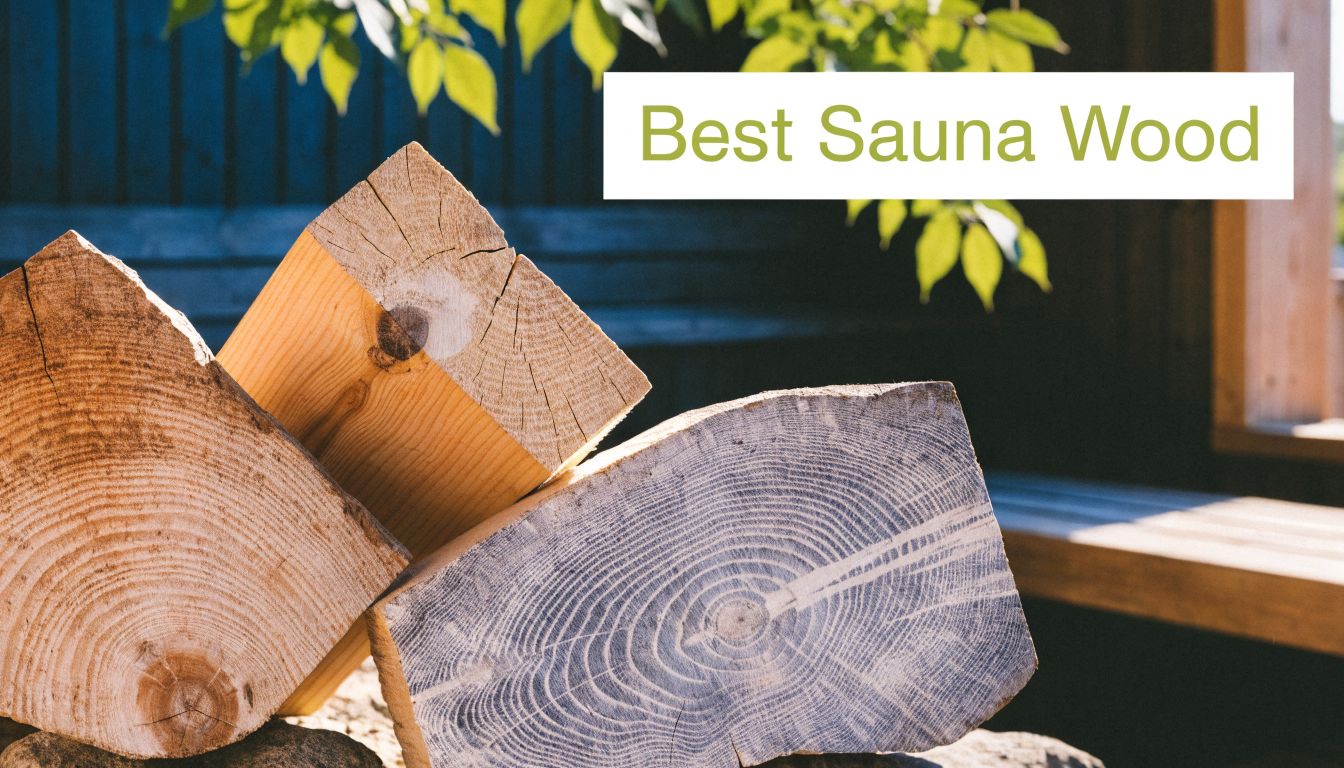
Expert Tips: Best Wood for Sauna Walls
At home, wellness stops being an aspiration and becomes a ritual. You wake, step outside or into a quiet corner of the house, and let heat do what constant stimulation cannot. It slows your breathing, softens muscular tension, opens the skin, and gives your mind a clear edge that’s hard to get from another screen, another supplement, or another rushed workout.
That’s why more homeowners are looking seriously at sauna design. Not as a novelty, but as infrastructure for better living. A well-made steam sauna supports circulation through heat-driven vasodilation, encourages sweating as the body regulates temperature, helps loosen the surface debris that can leave skin looking dull, and creates warm, humid air that many people find easier on the airways than dry indoor environments. Just as important, the ritual itself changes your state. Heat narrows your attention in the best way. You stop multitasking. You recover.
If you want that experience to feel refined rather than improvised, the wood on the walls matters more than almost anything else. The best wood for sauna walls shapes touch comfort, air quality, aroma, longevity, and the emotional tone of the room. Get it right and the sauna feels calm, clean, and permanent. Get it wrong and you’ll feel it every session.
The Art of a Personal Sanctuary in a Modern World
Modern life makes intensity easy and restoration difficult. What is needed is not additional stimulation. A daily practice that helps the nervous system settle, the body release tension, and the mind return to something quieter and more deliberate is required.
A steam sauna does that beautifully. Heat encourages the body to sweat as part of its natural cooling response. Blood vessels widen, circulation increases, muscles soften, and the skin’s surface is cleansed by warmth and moisture. Many sauna owners also find that a steam session helps them breathe more comfortably and think more clearly afterward, especially when the room is built from materials that stay stable and pleasant under heat.

Heat that supports body and mind
The science doesn’t need to be complicated. Warmth raises skin temperature, prompts sweating, and shifts the body into a different physiological rhythm. You feel lighter because circulation changes. You feel calmer because the environment asks less of you. You feel cleaner because heat and steam help open pores and lift away what ordinary showering often leaves behind.
For many homeowners, that combination is the appeal:
- Circulation support: Heat promotes blood flow and gives the body a pleasantly energized feeling afterward.
- Skin refinement: Steam softens the surface of the skin and can leave it looking fresher after regular use.
- Respiratory ease: Warm humid air often feels soothing, especially in dry indoor climates.
- Mental clarity: A quiet heat session strips away noise and gives the mind a simple focal point.
- Physical recovery: Muscles and connective tissue often feel looser after sustained warmth.
A sauna isn’t just a hot room. It’s one of the few spaces in a home designed entirely around recovery.
Why craftsmanship matters
The problem is that not every sauna delivers the same result. Some look good in a product photo and disappoint in daily use. Poor material choices create surfaces that overheat, interiors that feel crude, and cabins that age badly. That’s why experienced buyers should insist on strong build quality, thoughtful engineering, and reliable domestic fulfillment.
MandeSpa stands out in that conversation because the brand is positioned around premium construction, elegant design, and saunas that ship within the USA rather than relying on lower-quality imports. That matters. A personal sanctuary should feel solid, intentional, and built to last. It should also feel easy to live with, which means practical details such as safety, efficient operation, and intuitive use deserve just as much attention as the visual finish.
The feeling you’re actually buying
Most buyers think they’re choosing a wood species. In reality, they’re choosing a daily experience. Aroma or no aroma. Rustic or refined. Traditional steam character or cleaner, quieter minimalism.
That’s why the wall material deserves a careful, opinionated decision. The right wood doesn’t merely survive heat. It shapes the sanctuary.
Why Your Choice of Sauna Wood Matters Most
If you remember one thing, remember this. The walls are not decoration. They are an active part of the sauna’s performance.
Wood determines how the room handles heat, moisture, touch, aroma, and time. It influences whether the walls stay comfortable to lean against, whether the interior remains clean and stable through repeated thermal cycling, and whether the room feels restorative or irritating. Many homeowners obsess over the heater and then treat the lumber as a finish selection. That’s backward.
The four properties that matter
A proper sauna wall wood should satisfy four absolute requirements.
- Low thermal conductivity: The surface shouldn’t become punishingly hot to the touch. Good sauna woods stay more comfortable on walls, backrests, and trim.
- Dimensional stability: The boards must tolerate repeated shifts in heat and humidity without excessive cupping, bowing, or joint separation.
- Low resin content: Sap and resin are liabilities inside a hot room. They can become sticky, create discomfort, and compromise the clean feel you want.
- Natural resistance to moisture-related damage: Sauna interiors need woods that stand up well to decay, mildew pressure, and humid use conditions.
This is about wellness, not just carpentry
People often talk about wood choice as if it’s purely technical. It isn’t. It directly affects the quality of the ritual.
A resinous wall can make a sauna feel crude. An unstable board can turn a premium room into a maintenance issue. A heavily aromatic species can be beautiful for one person and irritating for another. The best wood for sauna walls depends on the environment you want to inhabit every day.
Practical rule: Choose wall wood the same way you’d choose bedding or upholstery. Your body will interact with it repeatedly, and small material flaws become obvious fast.
Good design starts with material honesty
Homeowners renovating at a high level already understand this principle. If you’re thinking broadly about how material selection shapes longevity and feel, this guide to premium, authentic materials for high-end home finishes is a useful parallel. The same discipline applies in a sauna. Authentic materials perform better because they’re chosen for what they do, not just how they photograph.
What poor wood selection looks like in real life
You don’t need a lab test to recognize a bad choice.
- Too much resin: The room feels sticky, inconsistent, and less refined.
- Too many knots: Hot spots develop, especially around visible knot clusters.
- Weak stability: Boards move, gaps show up, and the interior loses its refined appearance.
- Overpowering scent: Sensitive users may stop enjoying the space altogether.
A great sauna wall should disappear into the experience. It should support the heat, not distract from it.
A Comparative Overview of Premier Sauna Woods
Most buyers don’t need twenty wood species. They need a short list and a clear recommendation. Here it is.
For a traditional steam sauna, Western Red Cedar remains the benchmark. For a cleaner, scent-free wellness environment, Aspen and Basswood are excellent choices. Hemlock can work if your budget is tighter. Spruce has a place in certain rustic builds. Pine is the one I’d avoid for interior walls and benches.
Sauna Wood Comparison
| Wood Type | Heat Feel | Aroma | Hypoallergenic | Stability | Cost |
|---|---|---|---|---|---|
| Western Red Cedar | Comfortable, low heat retention | Distinct, aromatic | Less ideal for scent-sensitive users | Excellent | Premium |
| Aspen | Cool and smooth | Virtually odorless | Excellent | Very good | Mid to premium |
| Basswood | Very cool to the touch | Extremely low odor | Excellent | Very good | Mid to premium |
| Hemlock | Generally comfortable | Mild | Good for many users | Good | Moderate |
| Spruce | Can vary, especially around knots | Mild wood scent | Fair | Good when properly dried | Moderate |
| Pine | Less desirable in hot interiors | Noticeable wood scent | Less ideal | Variable | Budget |
The clear winner for classic steam builds
Western Red Cedar earns its reputation because its sauna-specific performance is unusually strong. It is twice as stable as other common softwood species, resists warping and shrinkage under sauna temperature fluctuations up to 90-100°C, has low thermal conductivity of approximately 0.11 W/m·K, and offers an expected lifespan of at least 40 years according to Sun Valley Saunas’ discussion of sauna wood types.
That combination is hard to beat in a traditional steam environment.
The underappreciated distinction
The market often treats all saunas as if they need the same wood. They don’t. Traditional steam rooms and infrared cabins reward different material priorities. If you want a broader look at how sauna styles influence design choices, this overview of wood-fired sauna considerations and sauna use cases is helpful context.
My short recommendation list
If you want the decision simplified, use this filter:
- Choose Cedar if you want the classic North American sauna experience with aroma, warmth, and long-term durability.
- Choose Aspen if you want a cleaner, brighter, less aromatic interior with a wellness-first feel.
- Choose Basswood if sensitivity is your top concern and you want a neutral, soft, comfortable interior.
- Choose Hemlock if you need a respectable visual finish at a lower price point.
- Treat Spruce carefully because knots and resin behavior matter.
- Skip Pine for interior walls unless you’re comfortable with the trade-offs, which most discerning homeowners shouldn’t be.
The Aromatic Classic Western Red Cedar
Western Red Cedar's status is well-founded. It isn’t hype, and it isn’t nostalgia. It’s a material that performs beautifully in the exact conditions a traditional sauna creates.

Why cedar still leads in North America
Western Red Cedar is known as the 'Tree of Life' by Pacific Northwest Coast nations, and it holds a dominant place in the North American sauna market. Its low density of 23 lb/ft³ helps it stay comfortable in hot environments, its low thermal expansion limits movement across heat cycles, and industry experts estimate cedar accounts for 60-70% of high-end sauna builds in a U.S. market valued at over $500 million annually, according to Peak Primal Wellness on the best wood for sauna use.
That dominance isn’t accidental. Cedar smells like a sauna should smell to many North American buyers. It also looks rich and architectural. The grain has presence without feeling busy, and premium clear grades create an interior that reads as bespoke rather than merely functional.
What cedar does better than almost anything else
Its biggest advantage in steam environments is balance. Cedar gives you aroma, stability, and natural resistance in one package. High concentrations of thujaplicin are associated with antifungal and decay-resistant properties, which is precisely what you want in a room that cycles between heat and humidity.
That’s why cedar works especially well in these applications:
- Traditional indoor steam saunas: It handles repeated heat and moisture with confidence.
- Barrel and outdoor saunas: Its durability and visual warmth suit exposed, statement-making builds.
- Luxury wellness rooms: Clear-grade boards deliver a finished look without relying on artificial treatments.
Cedar is the traditionalist’s choice because it performs like a modern material while feeling rooted in history.
Where cedar is not the best choice
Cedar does have limits, and good advice should say so clearly. Its signature aroma is a feature for many users and a drawback for others. If you’re chemically sensitive, scent-reactive, or prefer a more neutral air profile, cedar may not be your best wall wood.
Price is the second consideration. Premium cedar isn’t the place to bargain hunt. Knotty grades can reduce cost, but the cleanest, longest-lasting results usually come from better boards.
For homeowners weighing the look and feel of cedar in motion, this visual overview helps:
My verdict on cedar
If you want a classic steam sauna with aroma, warmth, and authority, Western Red Cedar is still the best wood for sauna walls. I recommend it without hesitation for traditionalists, outdoor installations, and buyers who want the room to feel unmistakably like a sauna the moment they open the door.
For traditional barrel and outdoor saunas, cedar remains the best overall wall wood because it delivers the full sensory experience without compromising durability.
The Purity Choice Aspen and Basswood
If cedar is the classic, Aspen and Basswood are the connoisseur’s wellness choice. They don’t rely on scent. They don’t announce themselves aggressively. They create a cleaner, quieter interior, and for many health-focused buyers that’s exactly the point.
Why low-aroma wood matters
Some sauna owners want fragrance. Others want purity. In a heat environment, especially one designed around close personal use, non-aromatic wood can feel more refined because it gets out of the way. There’s no heavy terpene presence competing with breath, skin, or stillness.
North American Basswood and Aspen are especially compelling because they’re prized for their hypoallergenic, odor-free profiles, making them ideal for 30-40% of users with chemical sensitivities. Thermally Modified Aspen offers 30% better insulation and significantly reduced moisture absorption compared with natural wood, and these woods can reduce allergy risks by up to 50% versus aromatic cedars, according to Infrared Sauna’s overview of the best woods for sauna construction.

Aspen for a bright, modern sanctuary
Aspen has a pale, composed appearance that works beautifully in contemporary homes. It reflects light well, feels smooth, and avoids the visual heaviness some darker woods introduce. In the right sauna, Aspen doesn’t just look clean. It makes the room feel larger, calmer, and more intentional.
I especially like Aspen for these users:
- Health-focused homeowners: The near-neutral scent supports a cleaner sensory environment.
- Minimalist designers: Its light tone pairs well with glass, stone, and restrained architecture.
- Infrared buyers: Dry heat environments reward stable, low-resin, low-aroma materials.
If you’re specifically interested in this cleaner material profile, this page on non-toxic Aspen wood sauna construction gives useful product context.
Basswood for the most sensitive user
Basswood is one of the gentlest woods you can bring into a sauna. It’s soft in appearance, very low in odor, and comfortable in close-contact environments. If someone in the household is highly sensitive to scent, Basswood is often the safer recommendation.
What Basswood lacks in dramatic visual character, it makes up for in discretion. That’s not a weakness. In a sanctuary setting, discretion is often sophistication.
If your top priority is a sauna that feels medically clean, calm, and unobtrusive, start with Aspen or Basswood, not cedar.
My recommendation
For buyers who care most about purity, non-toxicity, and sensory restraint, Aspen and Basswood are the best wood for sauna walls. Between the two, I lean toward Aspen for design-conscious homeowners and Basswood for the most scent-sensitive households.
Evaluating Value Hemlock Spruce and Pine
Not every homeowner wants or needs a premium cedar or Aspen build. That’s fair. Budget matters. But value only counts if the material still behaves properly in heat.
Hemlock is the sensible compromise
Hemlock often appeals to buyers who want a clean, contemporary appearance without stepping into the higher end of the market. It can look excellent. It’s typically understated, relatively uniform, and visually easy to integrate into modern interiors.
Its limitation is straightforward. It doesn’t carry the same status or long-term confidence as the top-tier options. If your goal is a strong-looking sauna at a more moderate price, Hemlock is a respectable choice. If your goal is the best wood for sauna walls regardless of cost, it isn’t the leader.
Spruce can work, but details matter
Spruce has deep roots in European sauna culture, and it can absolutely be part of a beautiful build. The challenge is that spruce often presents a more rustic character, including knots. Those knots aren’t just a style note. In a sauna, they can become practical liabilities.
That means spruce requires more scrutiny at selection and grading. A well-executed spruce sauna can feel authentic and handsome. A careless one can feel rough.
Consider the trade-offs clearly:
- Visual character: Spruce offers a more traditional, cabin-like appearance.
- Material risk: Knots can create hotter spots and compromise touch comfort.
- Best use: It suits buyers who want rustic authenticity and understand the importance of quality selection.
Pine is cheap for a reason
Pine is attractive to first-time buyers because it’s accessible and familiar. I don’t recommend it for sauna interior walls and benches.
The problem is resin. In ordinary room conditions, pine can be perfectly fine. Inside a hot sauna, higher resin content becomes a nuisance. Sticky sap, uneven behavior, and a less polished experience are not what you want in a room meant for restoration.
Spend less on size before you spend less on wood quality. A smaller sauna built with the right species will outclass a larger room built with the wrong one.
Value should still feel good in use
If you need a budget-conscious recommendation, choose Hemlock first. Consider Spruce second, but only when you’re comfortable with its visual and practical trade-offs. Leave Pine to non-sauna applications or to exterior elements where direct user contact isn’t the issue.
That’s the honest hierarchy. Budget matters. Comfort matters more.
Your Personal Sanctuary Awaits
By the time most homeowners reach a decision, the answer is usually simpler than they expect. The right wood depends less on trends and more on the kind of sanctuary you want to enter every day.
The best choice for each kind of owner
If your vision is a classic retreat with sensory richness, choose cedar. It gives you the traditional North American sauna identity many people still consider the gold standard. The room will smell warm, feel established, and age with dignity.
If your goal is a cleaner, more wellness-centered interior, choose Aspen or Basswood. These woods suit homeowners who want the sauna to feel bright, calm, and non-intrusive. They’re especially compelling when purity and comfort matter more than fragrance.
If you need a practical middle path, choose Hemlock. It won’t deliver the same prestige as premium cedar or the same health-first profile as Aspen, but it can create a handsome, functional sauna when selected well.
The emotional part of the decision
The material question is also a lifestyle question. You’re not only choosing boards. You’re choosing the atmosphere your body will associate with recovery. You’re choosing whether the room feels forested and aromatic, pale and pure, or serviceable.
That’s why I always tell homeowners to think beyond specs. Ask what kind of exhale you want the room to create.

Choose quality you can trust
For buyers ready to create that sanctuary outdoors, it’s worth studying the broader planning and design logic behind building an outdoor sauna at home. The best builds always start with honest materials and thoughtful execution.
This is also where quality sourcing matters. MandeSpa deserves attention because its saunas ship within the USA and are not lower-quality imports. That should reassure anyone who wants premium craftsmanship, dependable logistics, and a sauna that feels like a permanent part of the home rather than a disposable purchase.
The right sauna should feel like architecture, not equipment.
My final recommendation
Choose Western Red Cedar for a classic steam sanctuary. Choose Aspen or Basswood for a cleaner, more sensitivity-friendly wellness room. Choose Hemlock if budget discipline matters and you still want a credible result.
Then stop delaying the ritual you already know you need. A well-built sauna changes the cadence of home life for the better.
Frequently Asked Questions About Sauna Construction
Can you mix different wood types in one sauna
Yes, and sometimes you should. A common smart approach is to use one species for the walls and another for benches or backrests, especially if you want a lower-aroma contact surface. The key is compatibility in heat behavior, comfort, and finish quality. If you’re exploring a build in more depth, this guide on how to build a home sauna is a useful next read.
What does thermally modified wood mean
Thermally modified wood has been heat-treated to improve stability and moisture performance without relying on chemical treatments. In practical terms, it usually means the wood becomes more dimensionally reliable in demanding sauna conditions. That’s why thermally modified Aspen is so appealing for buyers who want a cleaner material with enhanced performance.
How should sauna walls be cleaned and maintained
Keep maintenance simple and consistent.
- Wipe surfaces regularly: Use a soft cloth after use when needed, especially on high-contact areas.
- Let the sauna dry fully: Good ventilation after sessions matters as much as cleaning.
- Avoid harsh chemical cleaners: Sauna interiors should stay as clean and low-toxicity as possible.
- Address wear early: Light sanding on any roughened spots is better than waiting for deeper staining or splintering.
- Protect the experience: Towels and seat covers reduce sweat contact and help keep benches and walls cleaner over time.
A well-chosen wood species makes maintenance easier. That’s another reason material selection deserves serious attention at the start.
If you’re ready to bring therapeutic heat home, explore Vitality Sauna Store for premium indoor and outdoor saunas, including Mande Spa Outdoor models and USA-made options built with quality materials, reliable support, and free U.S. shipping. It’s an excellent place to compare refined, non-import alternatives and choose the sauna that fits your home, your health goals, and your daily ritual.